A septic or sewer problem? Start here.
A slow drain is annoying. Sewage backing up in the basement is worse. A soggy patch in the yard, or a sour smell near the tank, can make your stomach drop.
Loadsdirectors Septic is a referral service. We connect homeowners in Framingham and the Framingham area with independent septic and sewer providers. The provider does the work. Loadsdirectors Septic helps you reach one.
Before you talk to anyone, spend ten minutes on your records. Take photos of the problem. Write down when it started. Note which drains act up and which ones work fine. Find any old pumping receipts. This small step makes every conversation faster and clearer.
Then reach out. Request a callback to check provider availability, or send a request for an estimate. Many providers can respond quickly, but hours vary by provider.
Request an Estimate
You do not have to say yes to the first offer. Ask for a written quote. Compare it with another one. Take the time you need. There is no obligation to hire anyone.
How It Works
What Loadsdirectors Septic does
Loadsdirectors Septic is a matching service. It is not a repair company. You tell us what is wrong, and a local provider in our network follows up about your job. Each provider is independent. They set their own prices, schedules and methods.
Three kinds of jobs
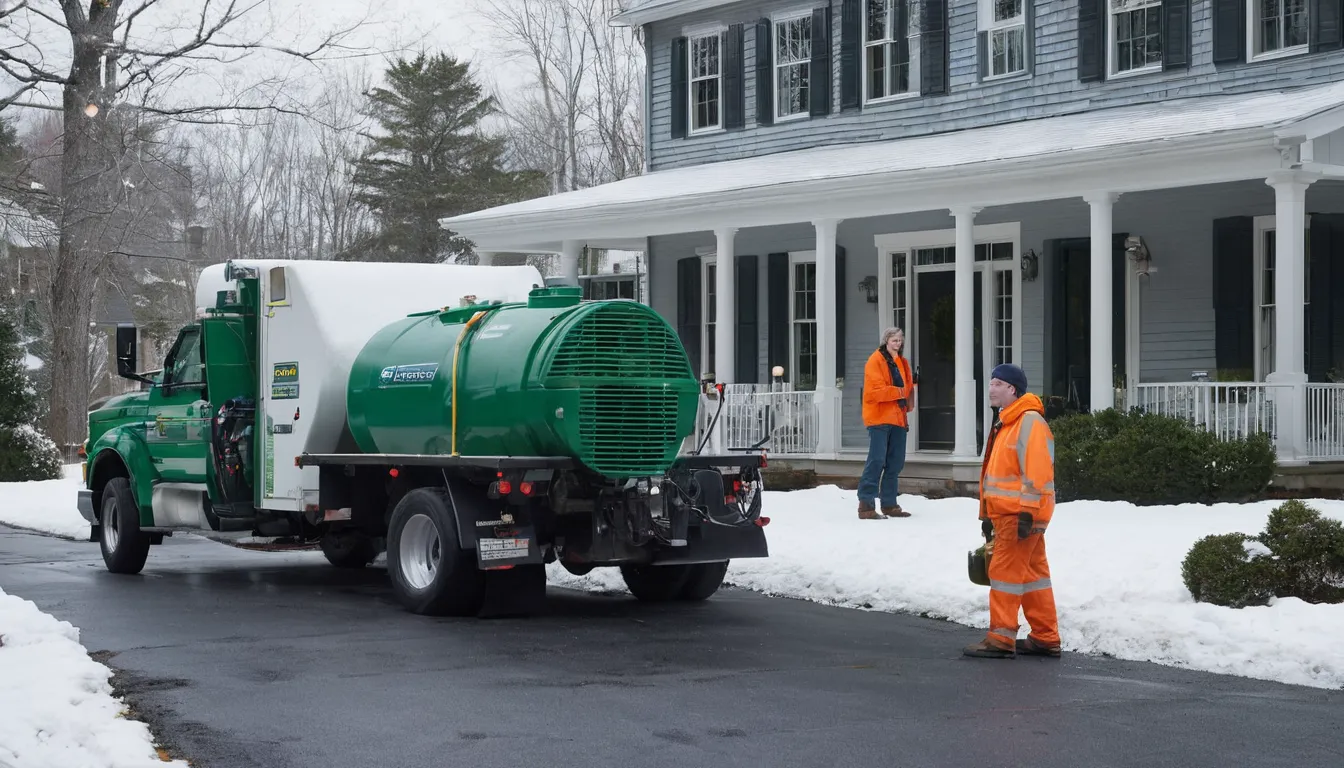
Septic tank pumping. A septic tank holds the waste water from your house. Solid waste sinks to the bottom. A provider uses a truck to pump it out. How often you need this depends on tank size and how many people live in the home.
Sewer line repair. The sewer line is the pipe that carries waste away from your house. Roots, cracks and shifting soil can block or break it. Many providers use a small camera to find the problem spot.
Septic system repair. This covers the tank, the pipes, the pump and the drainfield. The drainfield is the patch of ground where treated water soaks away. Drainfield repair might mean new pipes, fresh gravel, or work on the soil around them.
From request to decision
Send your details. A provider in the network gets in touch. They look at the problem and give you an estimate. Then you compare it with others and decide. You can say no at any point.
What to have ready
Photos, short notes and old records help most. A provider can often use them to give you a clearer estimate. They can also help document damage if you need to talk to your insurance company.
Serving Framingham and Nearby
Loadsdirectors Septic focuses on Framingham, MA and the Framingham area. Homes here vary a lot. Some sit on town sewer lines. Others have a private septic tank in the yard. Some have both an old pipe and a newer repair. A good provider asks which one you have.
If you are not sure, look for a lid in the yard, a tank map in your closing papers, or a town sewer bill. Those clues help a provider understand your setup before they arrive.
If your town is near Framingham but you do not see it listed, send a request anyway. Provider coverage changes from job to job. We will tell you what is available for your address.
When you reach out, share what you know. Say how old the house is. Say when the tank was last pumped. Add photos of any wet spots, cracks or stains. Short notes work fine. Clear details help providers give you a better written estimate.
You can request an estimate from more than one provider. Look at what each quote includes. Look at what it leaves out. Ask questions about anything unclear.
Request an Estimate
Take your time. The choice is yours.
What Local Weather and Homes Mean for You
Cold winters are hard on pipes
Frost can push into the ground and stress buried pipes and tank lids. Deep cold can also slow down how a system works. If a drain gets sluggish in winter, note the date and the temperature.
Frost and thaw cycles
Ground that freezes and thaws again and again can shift. Shifting soil can crack pipes or tilt a lid. Take a photo if you see a new dip or gap near a pipe run.
Spring snowmelt
Melting snow can leave the ground soaked. A soaked drainfield cannot take in more water. If your yard stays soggy, or toilets gurgle in March, write it down and take pictures.
Coastal storms
Heavy rain and storm surge can flood a yard or fill a tank with extra water. After a big storm, check for backups and wet spots. Ask providers about drainfield repair if water pools.
Older homes, older pipes
Many homes here are decades old. Old pipes can be clay or cast iron, and those can crack or clog with roots. A camera look can show what is really down there.
Basements, stone and block
Full basements with stone or block walls often hold the main drain. A leak can hide behind a wall or under a slab. Photos of stains, damp spots and floor drains help a lot.
Multi-family and Cape-style homes
More people in a house means more load on the tank. Shared or older setups can need pumping more often. Tell the provider how many people live there.
Wells and septic systems
If you have a private well, mention it. Some providers also offer water well service. A tank and a well should sit far enough apart. Ask about both if you see changes in your water.
Keep your paperwork in one folder
Save receipts, photos, quotes and notes together. If you need emergency septic cleaning after a backup, you will have your history ready. Some policies may cover sudden damage, so check your policy. Typical U.S. costs vary by job, so always get a written quote.
Ready to Talk?
Have your photos and notes ready? Good. Request a callback to check provider availability, or send a request for an estimate. Tell us what you see, where it is, and when it started.
A local provider in our network can follow up with next steps. Hours vary by provider. You can compare estimates and decide with no obligation.
Request an Estimate